 How-to
How to Verify a Nevada Bonded Title Before You Buy
Last Updated: November 22, 2026
Quick Summary
A Nevada bonded title is a replacement title issued when the original title is lost or cannot be produced, backed by a surety bond. To verify one before buying, match the VIN across the title, dashboard, and door jamb, confirm the bond details, and check official records for liens, theft reports, and title brands. A bonded title does not by itself prove clean ownership.
- A bonded title shows only that the DMV issued a replacement under its bonded-title process.
- Compare the 17-digit VIN on the title, dashboard plate, and door jamb sticker; all three must match.
- Ask the seller for the surety company, bond number, and bond dates, and request a copy of the bond certificate.
- Confirm the title is active, no lienholder is listed, and the vehicle is not reported stolen through official records.
- Walk away if the seller rushes you, refuses to show the bond certificate, or insists on payment before verification.
Table of Contents
- What a Nevada Bonded Title Is and What It Does Not Prove
- When a Nevada Bonded Title Is Issued and Who Qualifies
- Step-by-Step: Verifying a Bonded Title Before Buying a Used Car
- Nevada Vehicle Title Search and Official Record Checks
- How the Nevada DMV Process Works and How to Contact It
- Bond Period, Claims, Red Flags and Whether You Can Sell a Car With a Bonded Title
- Getting Help From Premier Multiservices With Your Nevada Bonded Title
- Frequently Asked Questions
What a Nevada Bonded Title Is and What It Does Not Prove
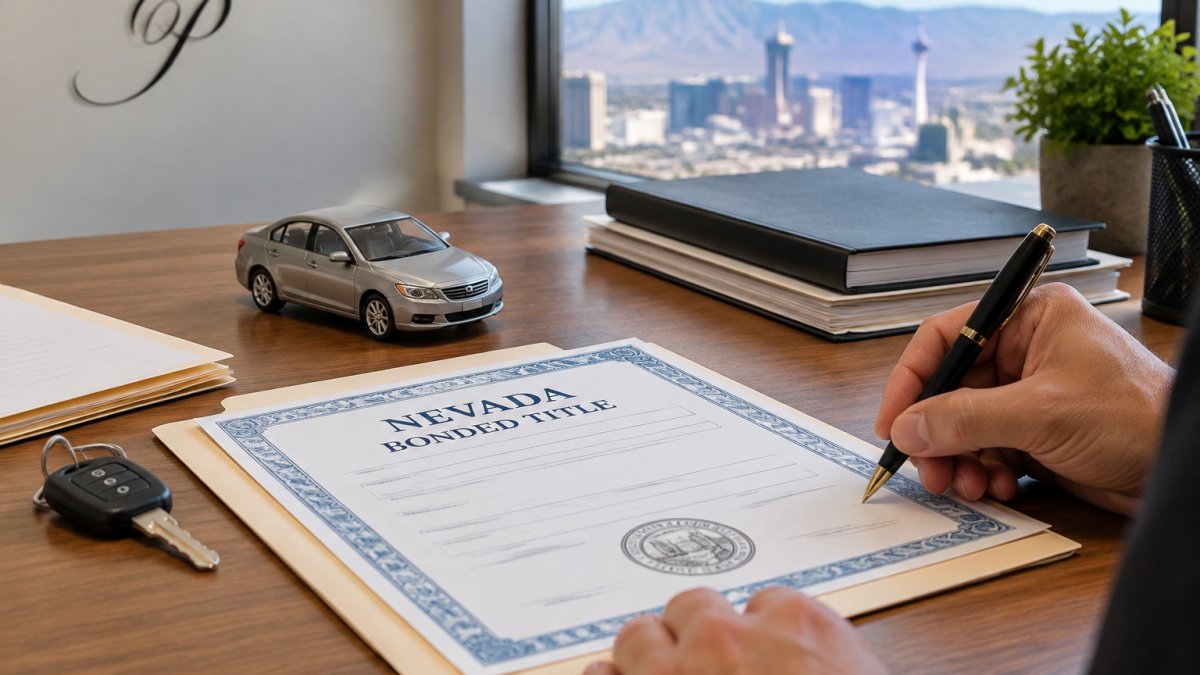
A Nevada bonded title is a replacement title issued when the original certificate of title is lost, stolen, or cannot be produced (Nevada DMV). The bond is the key feature: it gives a legal remedy to anyone who later proves a better right to the vehicle.
Here is what a bonded title does and does not establish:
- It shows that the DMV issued a replacement title under its bonded-title process.
- It does not prove the seller has clean ownership on its own.
- It does not confirm that the vehicle has no liens, theft history, or title brands.
Treat a bonded title as a signal to slow down and verify, not as proof that everything is in order.
When a Nevada Bonded Title Is Issued and Who Qualifies
Eligibility rules and required documents are set by the Nevada Department of Motor Vehicles, so confirm current requirements directly with the agency before relying on any specific step.
Common situations include:
- The original title was lost or destroyed.
- The title was never received after purchase.
- The vehicle has a gap in its ownership paperwork.
Requirements and fees can change. Check the official Nevada DMV site for the current process.
Step-by-Step: Verifying a Bonded Title Before Buying a Used Car
Most guides explain how to obtain a bonded title. This section covers the harder question a buyer faces: how to confirm that an already-issued bonded title is genuine, current, and actually matches the vehicle in front of you.
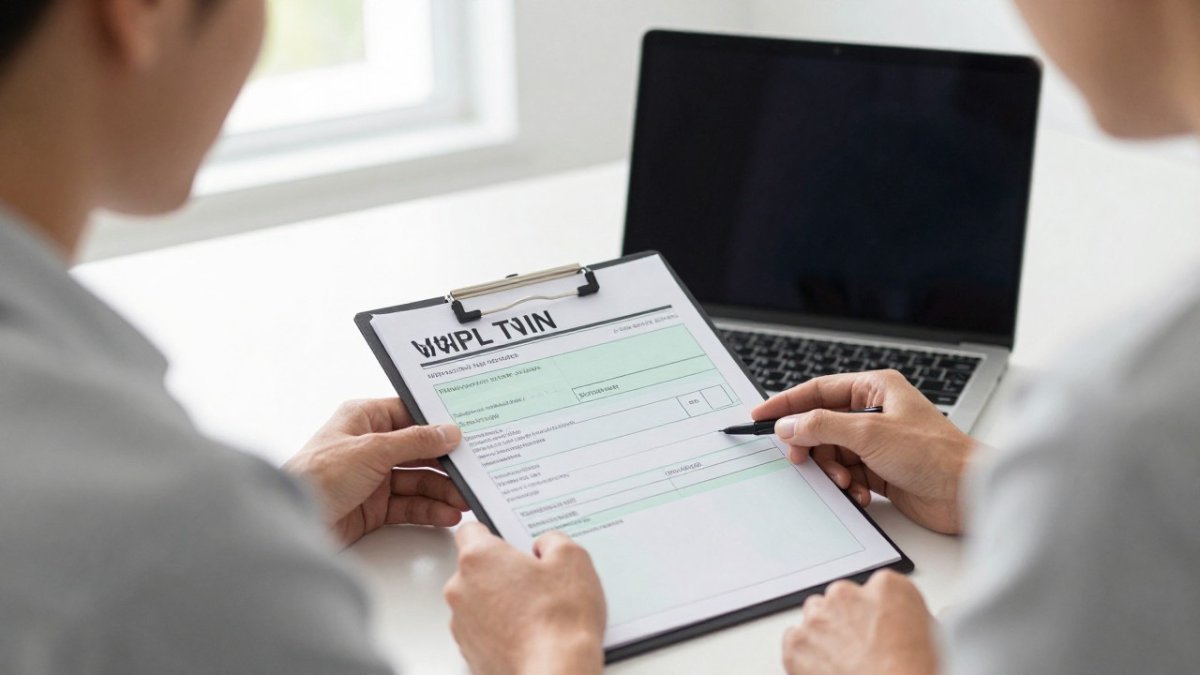
- Request the title and the seller's ID together. Ask the seller to hold the title next to a government-issued photo ID. The name on the title must match the name on the ID. If the seller is not the person named on the title, ask for a signed power of attorney or a dealer's reassignment document that authorizes the sale.
- Compare the VIN three ways. Read the 17-digit VIN on the title, on the dashboard plate visible through the windshield, and on the sticker inside the driver's door jamb. All three must match character for character. Pay attention to look-alike characters such as 0 and O, 1 and I, and 8 and B.
- Confirm the bonded status and the bond details. Ask the seller which surety company issued the bond, the bond number, and the bond's issue and expiration dates. A legitimate seller should be able to produce the bond certificate or a copy. If the seller cannot explain why the title is bonded, treat that as a stop sign.
- Pull the official record. Where available, use the Nevada DMV's title and record services to check title status tied to the VIN. Confirm the title is active, that no lienholder is still listed, and that the vehicle is not reported stolen.
- Check liens and title brands. A lien must be released in writing before the sale can close. Look for brand codes such as salvage, rebuilt, flood, or lemon, and ask the seller to explain any brand in writing.
- Match the paperwork as a set. The title, the bill of sale, the odometer disclosure, and any DMV affidavits should agree on the seller's name, the buyer's name, the VIN, the date, and the sale price. Blank fields, white-out, or handwriting that does not match the rest of the document are reasons to pause.
- Close at a safe location. Meet at a motor vehicle office or a police station, complete the transfer paperwork on the spot, and keep copies of everything. Never pay in cash without a signed receipt that lists the VIN.
Watch out: A seller who rushes you past the paperwork, refuses to show the bond certificate, or insists on payment before you can run an official record check is showing you the answer. Walk away.
Checking the VIN Against the Title and Vehicle
The VIN is the anchor for every other check, because a title is only as good as the vehicle it actually belongs to. Compare it in three places:
- The title document itself
- The dashboard plate, visible through the windshield
- The sticker or plate inside the driver's door jamb
If any two do not match, stop. A mismatch can point to a stolen vehicle, a cloned VIN, or altered paperwork. Also check that the VIN plate has not been drilled, pried, or painted over, and that the rivets look factory-installed.
Reviewing Ownership and Supporting Documents
Review the paperwork as a set, not one page at a time. Look for:
- A seller name that matches the title and the photo ID
- A signed transfer section with no blanks, no white-out, and no crossed-out entries
- Any affidavit or application the motor vehicle agency required when the bonded title was issued
Watch out: A seller who cannot produce the bond certificate, or whose name does not appear on the title without a valid transfer document, is a red flag regardless of how clean the vehicle looks.
Nevada Vehicle Title Search and Official Record Checks
A title search looks for the vehicle's history in official records. It can reveal liens, theft reports, and title brands such as salvage or rebuilt designations. These records are most reliable when you pull them from an official source.
Plan on these checks:
- Title status: Confirm the title is active and not flagged.
- Lien status: Confirm no lienholder still has a claim.
- Theft check: Confirm the vehicle is not reported stolen.
A commercial vehicle history report can add context, but it does not replace the official title record. Verification has limits, so treat the results as one input among several.
How the Nevada DMV Process Works and How to Contact It
Contact the Nevada DMV through its official website or the phone and office listings it publishes. Ask specifically about bonded-title verification, required forms, and whether the agency can confirm a title's status.
Before you visit or call, gather:
- The VIN
- The seller's name and ID details
- The title and any bond documents
- Your questions written down
Keep in mind that the DMV may limit what it shares with third parties, and privacy rules apply to some records.
Bond Period, Claims, Red Flags and Whether You Can Sell a Car With a Bonded Title
A surety bond is financial protection, not a warranty of clean ownership. Understanding how the bond period works, and what happens if a claim is filed, is the part most buyers skip, and it is the part that can cost them the car later.
How the Bond Period Works
A bonded title is backed by a surety bond that runs for a set term. Confirm the term with the Nevada DMV. During that window, a prior owner, a lienholder, or another claimant who can prove a superior right to the vehicle may file a claim against the bond.
For a buyer, the practical questions are:
- When was the bond issued, and when does it expire?
- Has any claim been filed against the bond?
- Who is the surety company, and can the seller produce the bond certificate?
- What was the bond amount, and does it reflect the vehicle's actual value?
Ask for the answers in writing before you pay. A seller who cannot answer them is asking you to take on risk you cannot see.
What a Claim Means for a Buyer
If a valid claim is filed after you buy, you may face a demand to surrender the vehicle, a title dispute, or a legal fight over ownership. The bond may compensate the claimant, but it does not automatically make you whole. That is why the verification steps above matter: the goal is to confirm there is no dormant claim waiting to surface.
Red Flags and Fraud Prevention
Watch for these warning signs:
- The seller cannot explain the bond or the reason the title was bonded.
- The title and VIN do not match the vehicle, or the VIN plate looks altered.
- The seller pressures you to skip the paperwork or pay before verification.
- The asking price is far below market for no clear reason.
Watch out: Altered documents, undisclosed liens, and seller-name discrepancies are the three most common patterns in bonded-title fraud. Any one of them is enough to walk away.
Can You Sell a Car With a Bonded Title?
The sale still needs proper transfer paperwork and a clear ownership record, and some buyers and lenders may treat a bonded title differently. If you plan to resell, confirm the process with the state motor vehicle agency before you list the vehicle, and disclose the bonded status to your buyer in writing.
Out-of-State and Insurance Implications
If you plan to register the vehicle in another state, confirm with that state's motor vehicle agency whether it will accept a bonded title and what additional documentation it requires. Also tell your insurer about the bonded status before you bind coverage, because some carriers handle bonded-title vehicles differently. A bonded title does not guarantee that another state will issue a clean title, and it does not guarantee that your insurer will treat the vehicle as a standard risk.
Getting Help From Premier Multiservices With Your Nevada Bonded Title
Missing a title can stall a sale or a transfer. At Premier Multiservices, our bilingual team in North Las Vegas helps with document preparation for Nevada bonded titles and related paperwork, in English or Spanish. If you are missing a vehicle title and want help organizing the documents, you can book a bonded-title appointment.
For a buyer confirming ownership before a purchase, we can also help with title transfer paperwork so the sale closes cleanly.
Frequently Asked Questions
How does a bonded title work in Nevada?
A Nevada bonded title is issued when a vehicle owner cannot produce the original title but can meet the requirements for a bond. The owner purchases a surety bond, and the bond protects anyone who later makes a valid claim against the title. The bond does not confirm the vehicle is free of liens or theft history, so buyers should still verify the VIN, the title status and the seller's ownership before paying. Check the current bond requirements with the Nevada DMV, since amounts and procedures can change.
Can you sell a car with a bonded title?
A buyer of a vehicle with a bonded title should understand what they are receiving. The bond remains in place for its set period, and a valid claim by a prior owner or lienholder can still affect the buyer. Before buying, confirm the VIN matches the vehicle and the title, review the seller's documents, and check the title status with the Nevada DMV. A seller who cannot explain the bond or refuses to provide supporting paperwork is a reason to walk away.
How can I verify that a Nevada bonded title is genuine?
Start by matching the 17-digit VIN on the title to the VIN on the dashboard and the driver-side door jamb. Ask the seller for the bond paperwork and the supporting documents submitted to the Nevada DMV. Contact the Nevada DMV to confirm the title status and any recorded liens or brands. Be aware that official verification has limits and may not reveal every private agreement or unrecorded claim.
What should I check on a bonded title before buying a used car?
Check that the VIN on the title, the vehicle and the registration all match. Confirm the seller's name appears as owner, look for any lien or title brand notes, and verify the bond is in force. Request a vehicle history report and a theft check. Keep copies of every document you receive, and consider having a notary or qualified professional review the paperwork before you complete the sale.