 ultimate-guide
Quitclaim Deed Requirements for Unmarried Couples
Table of Contents
- What Is a Quitclaim Deed and Why Unmarried Couples Use It
- Essential Parties: Grantor, Grantee, and Your Role
- How to Add Someone to a Deed: Step-by-Step
- Quitclaim Deed Form for Unmarried Couples
- Joint Tenancy vs. Tenancy in Common for Unmarried Couples
- Does a Quitclaim Deed Transfer Mortgage Responsibility
- Signature, Notarization, and Execution Requirements
- Recording Your Deed and County Requirements
- Frequently Asked Questions
Last Updated: October 16, 2026
What Is a Quitclaim Deed and Why Unmarried Couples Use It
Understanding quitclaim deed requirements for unmarried couples starts with knowing that a quitclaim deed transfers one person's ownership interest in real property to another without any warranty of title. Unlike warranty deeds, which guarantee the grantor owns the property free and clear, it conveys only whatever interest the grantor currently holds, full ownership or nothing at all.
How a Quitclaim Deed Works
Signing a quitclaim deed says: "I release any claim I have to this property and transfer it to the other person." It doesn't promise the property is free of liens or encumbrances, and it doesn't guarantee you own what you're transferring, it conveys your current interest, whatever that may be.
For unmarried couples, that simplicity is the appeal: fewer formalities than other transfer methods and a relatively quick process. The grantor signs the deed, it's notarized, and it's recorded with the county recorder's office.
Common Reasons Unmarried Partners Transfer Property
Unmarried couples use quitclaim deeds for practical reasons: one partner bought the property before the relationship and now both want to own it; one partner inherited property and wants to add the other's name to the title; or a refinance requires both partners on the deed.
Some use them to clarify ownership when one partner contributed significantly to the purchase or improvements. A quitclaim deed on file with the county creates a public record that protects both parties from later disputes over who owns what.
Essential Parties: Grantor, Grantee, and Your Role
The grantor transfers their interest in the property; the grantee receives it.
Decide clearly who transfers to whom.
The deed must identify the property with legal precision, not just the street address, but the legal description (lot and block number, subdivision name, or a metes-and-bounds description).
How to Add Someone to a Deed: Step-by-Step
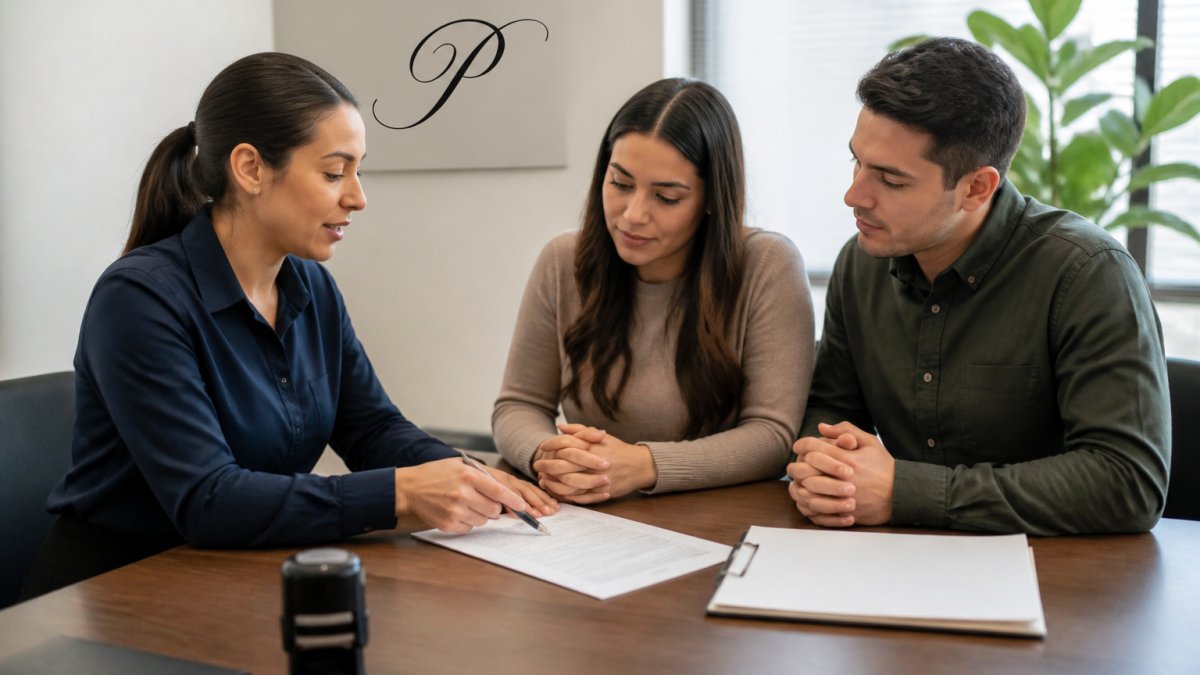
Adding an unmarried partner's name to a deed follows a straightforward process, though each step matters for validity.
Gathering Required Information
Collect the current deed or a certified copy from the county recorder's office, the legal property description (on your property tax bill or title insurance policy), and the full legal names of both grantor and grantee, middle names and initials exactly as they appear on government-issued ID.
Decide how you'll hold title: joint tenants with right of survivorship, or tenants in common. Joint tenancy means the surviving partner automatically inherits the deceased's share; tenancy in common means each share passes through that partner's estate by will or state law.
Completing the Deed Form
Most states provide standard quitclaim deed forms, and many counties have their own versions. Typical fields: grantor's and grantee's names and addresses, the legal property description, the consideration (often "love and affection" for unmarried couples), and how the grantee will hold title.
Fill in every required field accurately, errors in names, property descriptions, or legal details can cause recording problems or title defects.
Signature and Notarization
The grantor must sign in front of a notary public, who verifies identity via government-issued ID and witnesses the signature.
Original signatures are critical, photocopied or electronically reproduced ones typically aren't accepted for recording. The notary adds their seal and signature, and that notarization is what makes the deed eligible for recording.
Recording Your Deed
Once signed and notarized, take the deed to the county recorder's office where the property is located and pay the recording fee, which varies by county and document length.
Recording is essential: without it, the transfer may not be legally effective and the new owner's interest won't appear in the public record, causing problems if disputes arise or the property is sold.
Quitclaim Deed Form for Unmarried Couples
What Information the Form Requires
A standard quitclaim deed form for unmarried couples requires: the grantor's full legal name, address, and statement of transfer; the grantee's full legal name and address; the legal property description matching county records; the transfer date; the consideration, if any; how the grantee will hold title; and the grantor's original, witnessed, and notarized signature.
Some forms add fields for marital status, relationship nature, or tax identification numbers, varying by state and county. Always use the form from your county recorder's office, since it meets that jurisdiction's recording requirements.
State-Specific Form Variations
Quitclaim deed forms aren't uniform across states. Some states have specific deed and recording requirements.
Before completing your form, check your county recorder's website for the correct version and state-specific instructions. An outdated form can delay recording or force a re-file; many recorders now offer fillable PDFs that reduce errors and speed up the process.
Joint Tenancy vs. Tenancy in Common for Unmarried Couples
The way unmarried couples hold title affects ownership rights, tax implications, and what happens if one partner dies or the relationship ends.
Joint Tenancy With Right of Survivorship
In joint tenancy with right of survivorship, both partners own the entire property. When one dies, the survivor automatically inherits the deceased's share without probate, simplifying estate administration and keeping the home with the survivor.
But joint tenancy means equal ownership and management rights: neither partner can sell or encumber their share without the other's consent, and dissolving it after a breakup typically requires a deed from both partners or a court order.
Tenancy in Common
Tenancy in common lets each partner own a specific percentage, 60/40, for example, and the shares needn't be equal.
Tenancy in common offers more flexibility: each partner can sell or transfer their share independently, and if the relationship ends, clearly defined ownership interests simplify dividing the property.
Which Ownership Structure Fits Your Situation
The choice depends on your circumstances. If you want the survivor to inherit automatically and expect the relationship to be permanent, joint tenancy with right of survivorship is often better.
Consider consulting a legal professional about the tax and estate implications of each option. Premier Multiservices can guide you through the quitclaim deed process and explain how each ownership structure affects your rights and responsibilities.
Does a Quitclaim Deed Transfer Mortgage Responsibility
A critical misunderstanding: quitclaim deeds do not transfer mortgage liability. They transfer only title to the property, not the debt secured by it.
How Mortgages and Deeds Interact
The lender holds a lien against the property, and the mortgage is a separate legal obligation from the deed. Adding someone to the deed doesn't remove you from the mortgage or transfer the debt to them.
If you quitclaim the property to your partner while remaining on the mortgage, you still owe the lender.
Lender Approval and Due-on-Sale Clauses
Most mortgages include a "due-on-sale" clause making the entire loan immediately due if the property is transferred.
Before executing a quitclaim deed, ask your lender about transfers between unmarried partners. Some allow them without invoking due-on-sale; others require the new owner to qualify for loan assumption or refinancing.
Signature, Notarization, and Execution Requirements
A quitclaim deed's validity depends on proper execution, signature or notarization errors can make it unrecordable or invalid.
Original Signatures and Witness Rules
The grantor must sign in their own handwriting; stamped, printed, or electronically reproduced signatures aren't acceptable for recording. The signature must appear on the original document, photocopies of signed deeds can't be recorded.
Some states require witnesses in addition to notarization; verify before signing. If required, witnesses must be present when the grantor signs and add their own signatures.
Notary Public Requirements
The notary verifies the grantor's identity and witnesses the signature: examining government-issued ID, confirming the signer is who they claim to be, then adding their official seal, signature, and the date and location of notarization.
A notary's seal and signature make the deed eligible for recording; without proper notarization, the county recorder will reject it. Ensure the notary is commissioned in the state where the property is located.
Recording Your Deed and County Requirements
Recording is the final step and the one that creates an official public record of the transfer.
Where and How to File
Record the deed with the county recorder's office in the county where the property is located, typically in person, by mail, or online.
After recording, you'll receive a certified copy, keep it safe for future transactions, refinancing, or estate planning. The recorded deed is now part of the public record and establishes the grantee's ownership interest.
Recording Fees and Processing Times
Recording fees vary by county and are typically based on the number of pages in the document or a flat fee per recording.
Processing times also vary. Some counties record deeds within a few days; others may take one to two weeks.
Transferring property between unmarried partners requires careful attention to legal details, but the process is straightforward when you understand the requirements.
At Premier Multiservices, we specialize in guiding unmarried couples through property transfer documentation. We handle the details so you can move forward with confidence. Book an appointment with our team today and let us simplify the process for you.
Frequently Asked Questions
Can unmarried couples own a home together using a quitclaim deed?
Yes, unmarried couples can own property together using a quitclaim deed. The deed transfers the grantor's ownership interest to the grantee or both partners. The key is choosing the right ownership structure, joint tenancy with right of survivorship or tenancy in common, based on your goals and state law. A quitclaim deed itself doesn't determine ownership structure; that's specified within the deed language. Consult a legal professional to ensure your choice protects both partners' interests.
Does a quitclaim deed need to be notarized?
Notarization requirements vary by state. Many states require a quitclaim deed to be notarized before recording, while others do not. The notary public verifies the grantor's identity and confirms they signed the document willingly. Even if your state doesn't legally require notarization, having a deed notarized adds credibility and can prevent disputes later. Check your specific state's requirements or work with a professional to ensure your deed meets all execution requirements before recording.
What are the risks of using a quitclaim deed between unmarried partners?
Quitclaim deeds offer no warranty of title, meaning the grantor makes no promises about ownership quality or existing liens. If there are unpaid taxes, mortgages, or other claims on the property, the grantee inherits those problems. For unmarried couples, additional risks include unclear ownership if the relationship ends, potential gift tax implications, and complications if one partner dies without a will. Title insurance and a clear legal description protect against some risks. Consider having an attorney review your deed before recording.
Does a quitclaim deed transfer mortgage responsibility to the new owner?
A quitclaim deed transfers ownership but not mortgage liability unless the lender agrees. The original borrower typically remains responsible for the mortgage debt even after the deed is recorded. The new owner may inherit the property encumbered by the mortgage, but the lender can still pursue the original borrower for payment. Many mortgages include a due-on-sale clause that allows the lender to demand full repayment if the property is transferred. Always inform your lender before executing a quitclaim deed and explore refinancing options.
How do unmarried partners choose between joint tenancy and tenancy in common?
Joint tenancy with right of survivorship means each partner owns the entire property; if one dies, the surviving partner automatically inherits without probate. Tenancy in common allows each partner to own a specific percentage share, which passes to their estate if they die. Joint tenancy works well for long-term committed partners who want automatic inheritance. Tenancy in common suits partners who want separate control over their share or plan to leave their portion to different heirs. Your choice affects taxes, estate planning, and what happens if the relationship ends. Discuss both options with a legal professional.
Do both unmarried partners need to sign a quitclaim deed?
Only the grantor (current owner transferring the property) must sign a quitclaim deed. The grantee (person receiving the property) does not sign. However, both partners may want to consult an attorney before signing to understand the implications. If both partners currently own the property and both want to transfer their interests, both must execute separate deeds or a single deed naming both as grantors. Always verify your state's signature requirements and consider having a notary present to authenticate signatures.
What information must be included on a quitclaim deed form for unmarried couples?
A quitclaim deed must include the grantor's name and address, the grantee's name and address, a complete legal description of the property, the county where the property is located, the grantor's original signature, and the date of execution. Many states also require the grantor's marital status or a statement of how title is held. Some forms ask for consideration (whether money or love and affection changed hands). State requirements vary, so use your state's official form or work with a professional to ensure all required information is present before recording.
How long does it take to record a quitclaim deed?
Recording times vary by county. Many county recorder offices process deeds within 1-3 weeks, though some process faster if submitted in person or electronically. Delays can occur if the deed has errors, missing information, or unclear legal descriptions. Once recorded, the deed becomes part of the public record and establishes the new ownership. Plan ahead if you need the deed recorded quickly for refinancing or other time-sensitive matters. Contact your county recorder's office for current processing times and acceptable submission methods.